What defines a good product?
This is just a reflective discussion :)
What Sparked My Reflection On This Topic
I always feel a little bit resistant when people talk about industrial/product design as if it is mainly about how things look. Even though I still feel proud when I was told one of my designs was the first post on a very nicely curated design inspiration website.
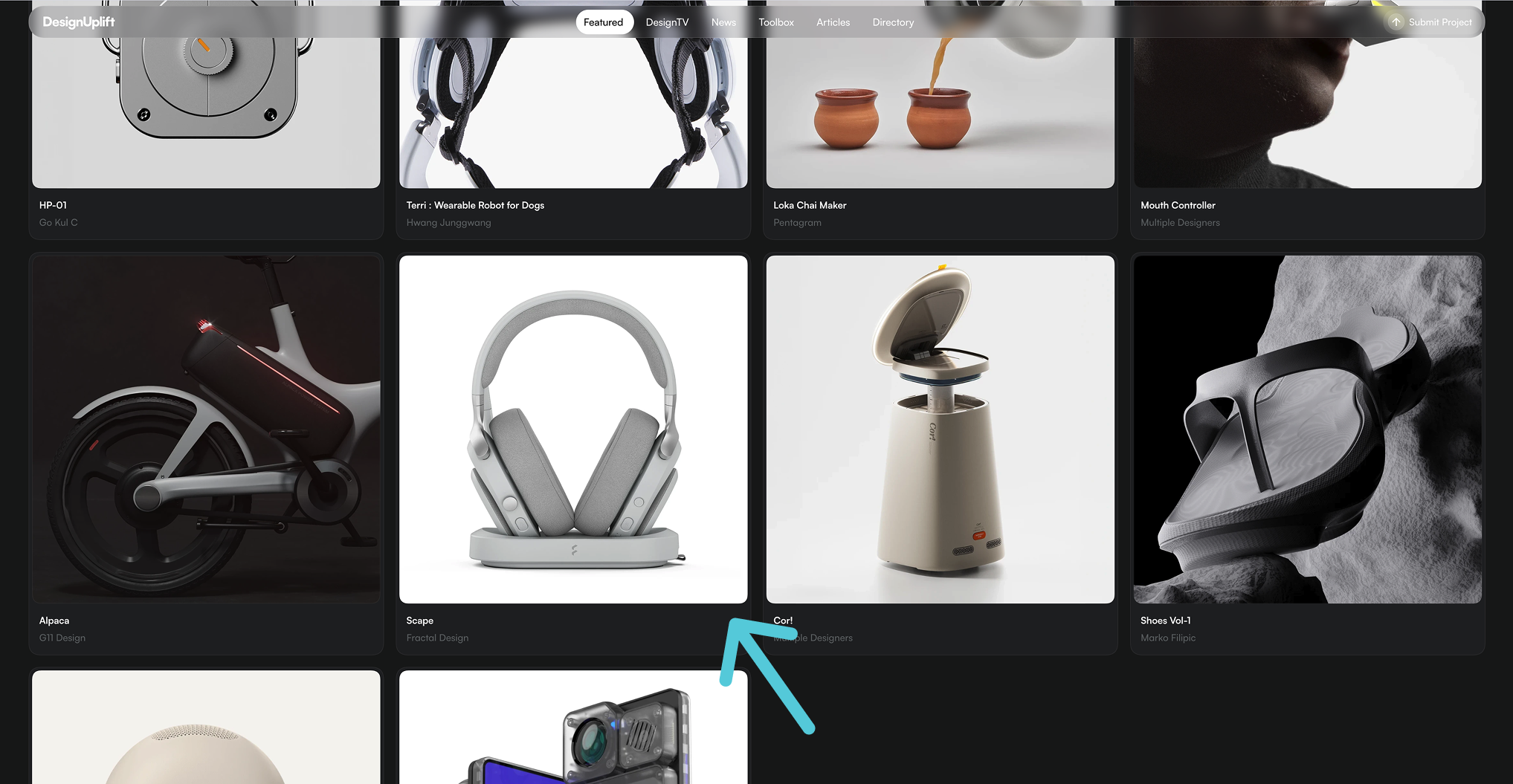
I’ve been reflecting on why that resistance exists on me. In my view, a product is more than its appearance. Aesthetics is part of design, but it does not represent the design. The relationship is suppose to be inclusive: product design includes aesthetics, but aesthetics alone cannot define design.
If appearance is the only aspect being considered, the underlying design is likely being evaluated at a superficial level. That is where my discomfort comes from.
I have once heard:
“…the detail that defines this product.”
Surly I disagree with that. How can a detail define a product? Especially in more complex systems. But that made me wonder, and want to think about defines a product. And what defines a good product.
The Concept of Product is Broad
A beautiful product can be badly designed.
A visually boring product can be extremely well designed.
In a broader scale of product in general, the first judgment of a product is how they look, and is always the first thing to be mentioned. But let’s don’t forget:
In straight-forward products like cup, phone case, the appearance actually
drives emotional attraction
signals identity and taste
often is the primary differentiator
In complex products like machines, medical devices, B2B systems appearance more often
communicates trust, precision, safety
reduces cognitive load
supports usability (hierarchy, affordances, clarity)
Appearance becomes instrumental instead of expressive when it’s more functional driven. To say, then, the appearance shifts to communicate trust, precision, safety, usability, and so on. It becomes more of a signal than a symbol.
I had a discussion with my partner regarding a medical product design project. We focused on “form factor design.” While this still involves aesthetics, it is also closely tied to the hardware, and there are many more factors to consider: Is the functional layout reasonable? Does it align with user habits? Could it cause confusion?
In this case, appearance is far more than just “good looking.”
Does the world need another piece of chair?
I often find this question interesting seeing another new piece of furniture launched, I would say Hans Wegner had already designed chairs that are good enough. Do we really need another one?
Then I realized the limitation in this way of thinking. The idea of “enough” only makes sense if the context is fixed. But in reality, context keeps changing(users, materials, production, and expectations evolve).
Different products have different levels of complexity. Not every design has the same weight. Comparing a chair to a chest compression machine is meaningless. It’s like comparing a mantis shrimp and a lion, and asking which one is stronger. Their living environments, capabilities, and challenges are completely different. The only similarity is that they are both animals.
If we take a cup as an example, even for a simple object, function alone is not enough to define its value. Context, user, and intent reshape what “good” means. Some cups are designed for people with disabilities; Some are used to express culture; Some are designed for fun. If we only look at the basic function, a cup is just a container. It holds water, and we drink from it. But if we consider emotional and contextual needs, it becomes a different story.
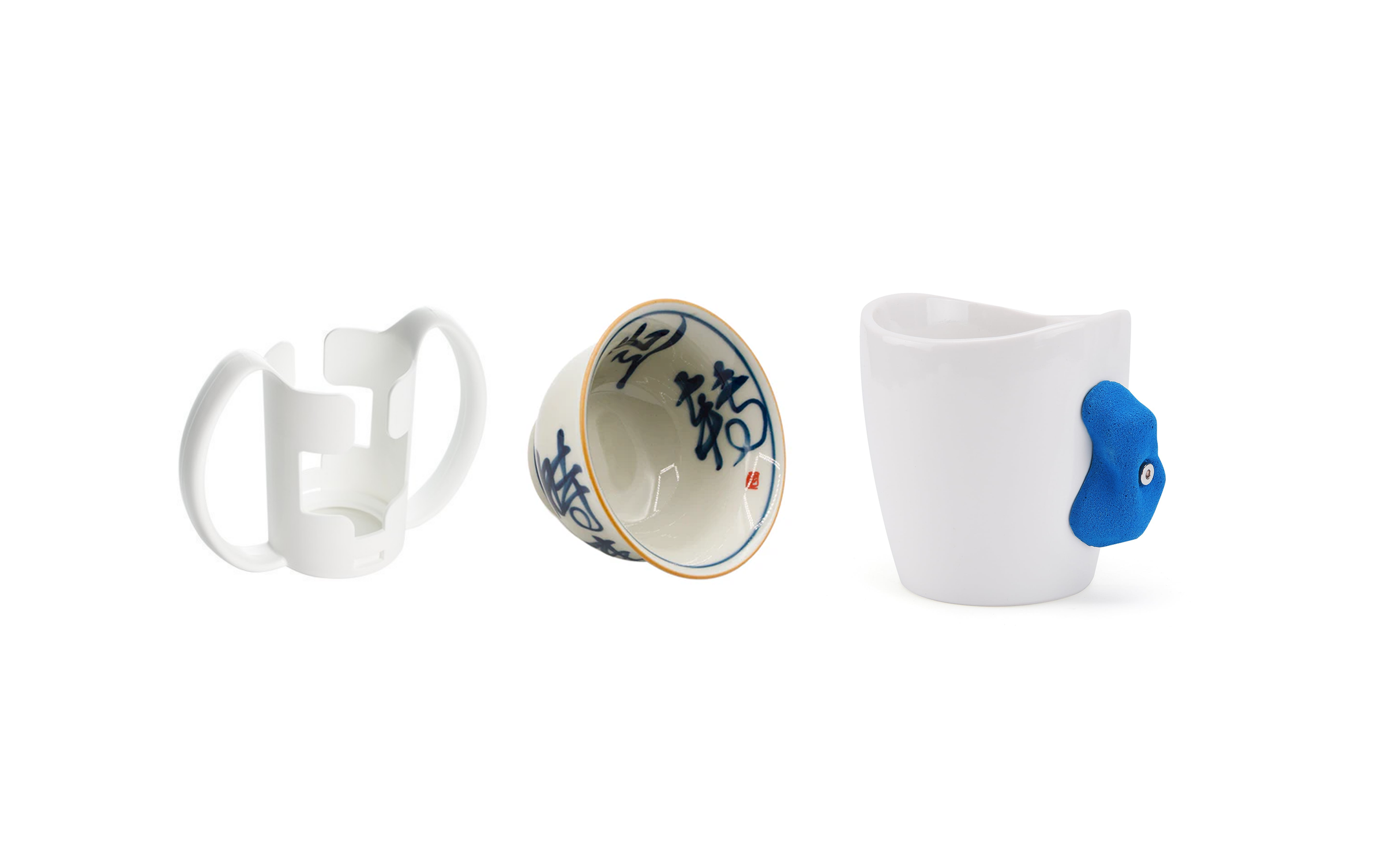
So does the world need another cup?
Maybe yes, maybe no.
Material innovation, new production methods, or improvements in sustainability can justify a new design. Even small improvements at an industry level can be meaningful.
However, while you look into the industry, it might be a different story.
The Problem Shifts While We Look Into The Market
For something like a “chair” (here I use chair as a general representation), the perspective shifts again in a commercial context. In design agencies, the question is rarely “Do we need another chair?” It becomes:
Once you realize this, the game changes. Designers may not decide whether a product should exist, but we influence how it exists, and sometimes, whether it should evolve further.
While I was working on a smart glasses project, I had an interesting conversation with a young designer. His view was:
“How do we design this chair fo rthe client so that it stands out?”
I both agree and disagree.
From a product category perspective, smart glasses still have a long way to go. They have not yet found a clear role in everyday life. They cannot replace smartphones so far, and a large portion of users do not wear glasses, which naturally limits the market. Does it really make sense to invest millions of dollars in developing them?
But from the client’s perspective, it makes perfect sense. It’s about business and long-term vision. Entering the smart glasses market isn’t optional, but imperative. It points the way forward.
We encountered a similar situation when designing AI robots. We envisioned many features and future scenarios, but many of them couldn’t be realized due to technical limitations. Despite this, the client insisted on launching the product.
Why? Because it’s a declaration. A way of declaring: “We’re here. We’ve entered this field.”
And once that position is established, the next step is improvement.
Did they see these limitations?
Sure they did.
But these products are not only functional, but signals of intent. They position the company within a future landscape, even before the technology is fully mature.
“I don’t see why people need smart glasses. It doesn’t make sense to design them.”
What Defines A Good Product?
“A good product fulfills it’s intended purpose.”